Contents
- Quick answer: there is no single best food for mitochondria
- What food can realistically do for mitochondrial health
- Best foods for mitochondria: a practical shortlist
- Nutrients worth getting from food before buying a supplement
- A simple day of meals you can actually repeat
- Common mistakes in mitochondrial food advice
- When should you compare mitochondrial supplements?
- When low energy needs more than a food list
- Bottom line: build the plate before chasing the claim
- Frequently asked questions
Quick answer: there is no single best food for mitochondria
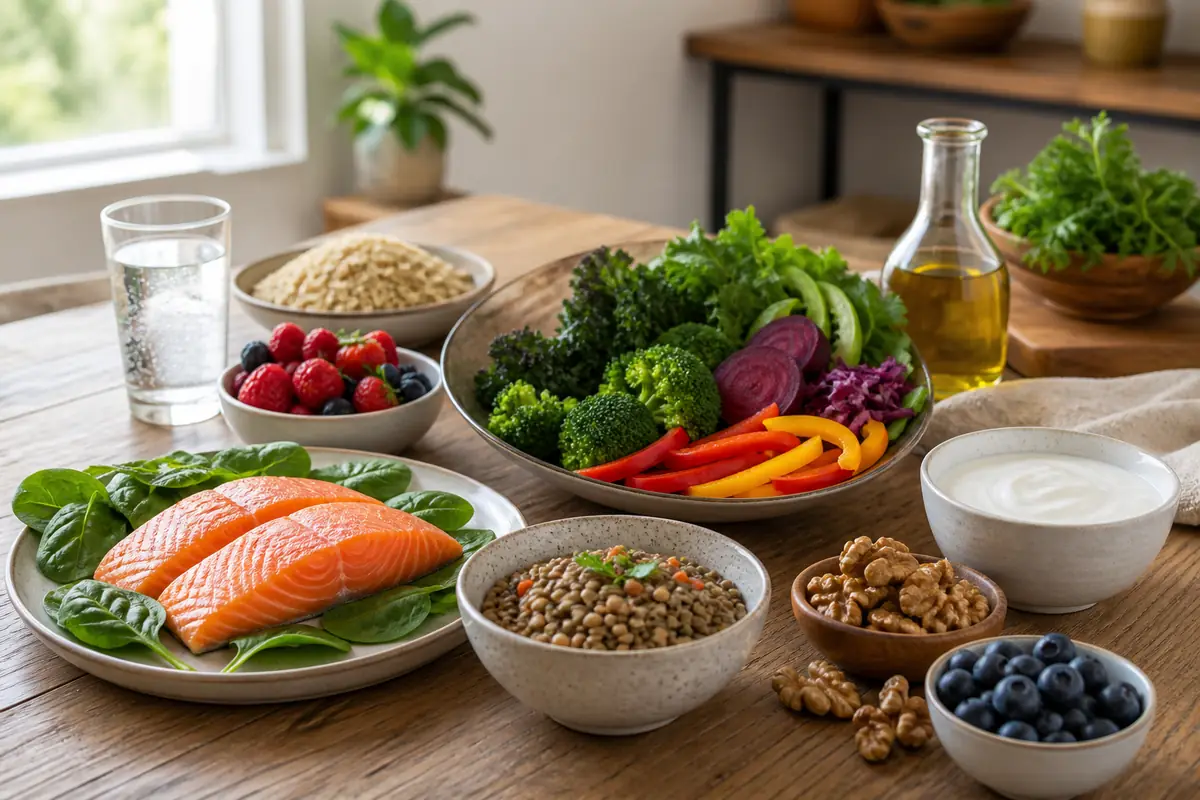
The best foods for mitochondria are not one exotic fruit, powder, or superfood. A more defensible approach is a varied eating pattern that supplies enough energy, protein, fiber, vitamins, minerals, and fluids. Vegetables and fruit, beans and lentils, whole grains, nuts and seeds, fish or another suitable protein source, and unsaturated fats can all fit. They support general nutrition and energy metabolism, but no individual food has been proven to repair mitochondria or guarantee more daily energy.
That distinction matters because searches for mitochondrial health foods often lead to supplement claims. Food can help address ordinary nutrient needs and make a routine more sustainable. It cannot diagnose the cause of persistent fatigue, replace treatment for a medical condition, or prove that a cellular pathway has changed. Start with a repeatable meal pattern, then decide whether a supplement question remains.
A practical food-first shortlist
- Colorful vegetables and fruit for variety, fiber, and micronutrients rather than a promised antioxidant cure.
- Beans, lentils, nuts, seeds, and whole grains for fiber, plant protein, and useful minerals.
- Fish, eggs, yogurt, tofu, poultry, or other suitable proteins to make meals more filling and nutritionally complete.
- Water and regular meals when long gaps, heat, exercise, or low fluid intake make energy feel worse.
- A pattern you can afford, digest, prepare, and follow consistently is more valuable than a perfect-looking food list.
What this guide can and cannot promise
| Reasonable goal | What it means | What it does not prove |
|---|---|---|
| Improve dietary adequacy | Cover ordinary needs for energy, protein, fiber, vitamins, minerals, and fluids. | That a person has a mitochondrial disorder or needs a high-dose supplement. |
| Build a steady meal routine | Reduce avoidable long gaps and make food choices easier to repeat. | That every afternoon energy dip comes from mitochondria. |
| Support general health | Use a varied pattern consistent with public nutrition guidance and personal needs. | A guaranteed change in energy, aging, metabolism, or disease risk. |
What food can realistically do for mitochondrial health
Mitochondria help cells convert fuel into usable energy, so it is reasonable to ask whether diet affects them. The careful answer is that food supplies the raw materials and overall conditions that support normal physiology, while the size and meaning of any mitochondrial effect depend on the whole person. A diet can correct an inadequate intake, support muscle and cardiovascular function, and make regular activity possible. Those are worthwhile outcomes even when they cannot be translated into a simple claim about making more mitochondria.
A food list also has a different evidence standard from a supplement advertisement. A dietary pattern is not a controlled trial of one capsule, and a nutrient being involved in an energy pathway does not mean that extra amounts improve energy in someone who already gets enough. Use food advice to improve the basics and identify gaps, not to self-treat unexplained symptoms.
Keep the outcome matched to the evidence
| Question | Useful interpretation | Overreach to avoid |
|---|---|---|
| Does the food provide a needed nutrient? | It may help meet normal dietary requirements when included in a suitable pattern. | More of the nutrient must be better for everyone. |
| Does the food support exercise or recovery? | Adequate fuel, protein, fluids, and sleep can make a routine easier to maintain. | The food repairs muscle or mitochondria by itself. |
| Does the food contain polyphenols or antioxidants? | It adds variety to a diet with naturally occurring plant compounds. | It neutralizes all oxidative stress or reverses aging. |
| Will it fix fatigue? | Only a proper assessment can identify causes such as sleep problems, anemia, thyroid issues, medication effects, or other conditions. | A food or supplement should stand in for medical evaluation. |
Best foods for mitochondria: a practical shortlist
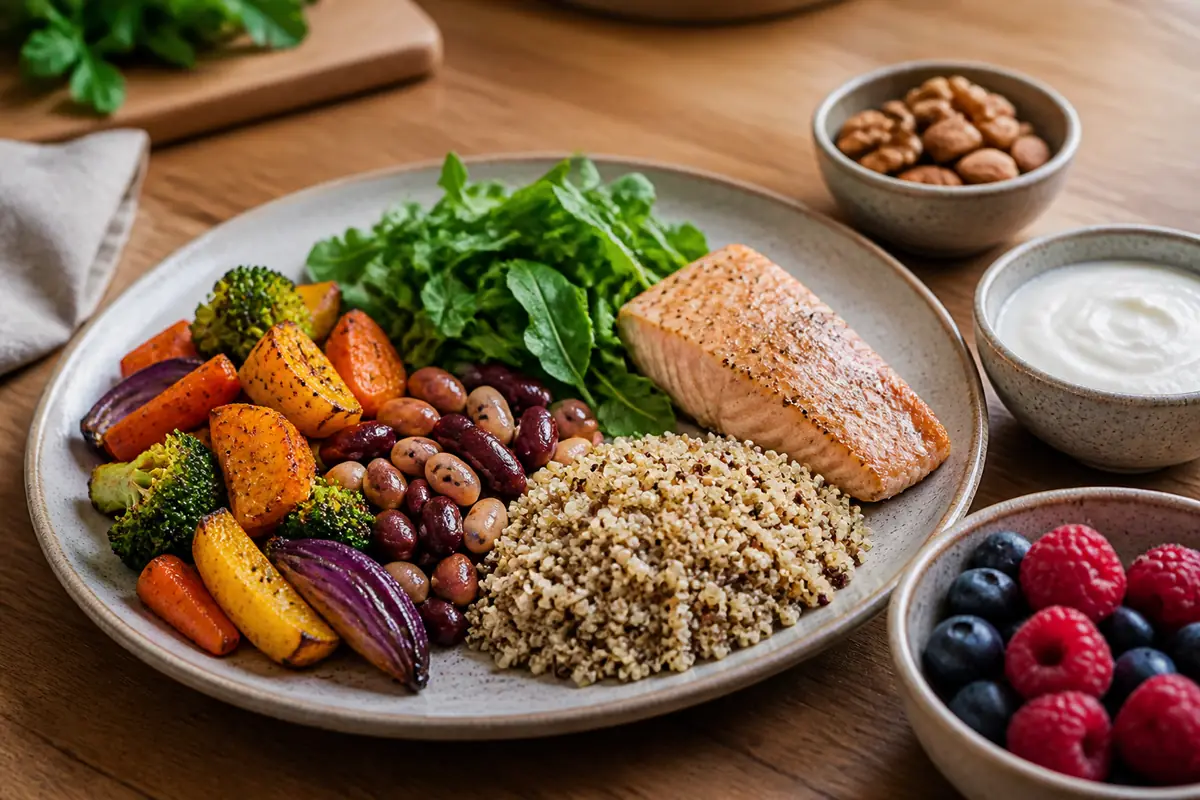
The categories below are useful because they make meals more complete, not because they are proven mitochondrial medicines. Choose the versions that fit your preferences, budget, allergies, culture, and health advice. Fresh, frozen, canned, and dried foods can all be practical choices; the best option is often the one that makes a balanced meal easiest to prepare.
Food groups worth building around
| Food group | Examples | Why it belongs in the pattern | Easy use |
|---|---|---|---|
| Vegetables | Leafy greens, broccoli, peppers, tomatoes, carrots, squash | Adds fiber, potassium, folate, vitamin C, and variety across meals. | Use fresh or frozen vegetables in soups, bowls, omelets, and sheet-pan meals. |
| Fruit | Berries, oranges, apples, kiwi, melon | Provides carbohydrate, fiber, fluids, and a range of vitamins and plant compounds. | Pair fruit with yogurt, oats, nuts, or a meal instead of chasing one special fruit. |
| Beans and lentils | Black beans, chickpeas, lentils, peas | Combines plant protein, fiber, and minerals in an affordable staple. | Add to salads, chili, soups, grain bowls, or a simple toast topping. |
| Whole grains and starchy foods | Oats, barley, brown rice, quinoa, potatoes, whole-grain bread | Supplies usable energy and, in less-refined choices, useful fiber and minerals. | Use a practical serving with protein and vegetables rather than removing all carbohydrates. |
| Fish and other proteins | Salmon, sardines, trout, eggs, tofu, yogurt, poultry | Helps make meals satisfying and supplies protein; oily fish also provides omega-3 fats. | Rotate options and choose alternatives if fish, dairy, eggs, or soy do not suit you. |
| Nuts and seeds | Walnuts, almonds, pumpkin seeds, chia, flax | Adds unsaturated fat, fiber, protein, and minerals in a small portion. | Sprinkle on oats or salads, or use a small handful as a snack. |
| Unsaturated fats | Olive oil, avocado, nuts, seeds | Makes a diet more energy-dense and can improve the texture and satisfaction of meals. | Use enough for flavor and cooking without treating oil as a supplement dose. |
No category needs to be perfect at every meal. A plant-based pattern can include fortified foods or carefully chosen supplements when needed, while an omnivorous pattern can still be low in fiber or micronutrients. The useful question is not whether a meal contains the trendiest ingredient; it is whether the week contains enough variety and whether the pattern is realistic for the person eating it.
Nutrients worth getting from food before buying a supplement
Mitochondrial health foods are sometimes described through the nutrients they contain. That can be helpful if it leads to a better meal or a sensible conversation with a clinician. It becomes misleading when a known nutrient role is used to justify a large dose, a guaranteed energy result, or a product that does not disclose its amounts. Food is a reasonable first step, but a suspected deficiency may need testing rather than guesswork.
Food-first nutrient questions
| Nutrient or category | Food examples | Cautious buyer question |
|---|---|---|
| B vitamins | Meat, fish, eggs, dairy, beans, leafy greens, fortified foods, whole grains | Is intake adequate, and is there a reason to test before taking a high-dose B-complex? |
| Magnesium | Beans, nuts, seeds, whole grains, leafy greens, yogurt | Would food and a review of kidney function, medicines, and other supplements be safer than guessing a dose? |
| Iron | Meat, seafood, beans, lentils, tofu, fortified grains, leafy greens | Could fatigue or low iron be present, and should a clinician order testing before iron supplementation? |
| Protein | Fish, poultry, eggs, dairy, tofu, beans, lentils, nuts | Is each meal substantial enough for the person's age, activity, appetite, and health plan? |
| Omega-3 fats | Salmon, sardines, trout, walnuts, chia, flax, fortified foods | Does the product claim more than the food and ingredient evidence can support for this goal? |
Iron is a good example of why food-first does not mean self-treatment. Low iron can have many causes, and taking iron without an appropriate reason can create problems. Magnesium and B-vitamin products also vary by form and dose. If fatigue, weakness, breathlessness, numbness, digestive changes, or unintended weight change is significant or persistent, a food list is not a substitute for professional assessment.
A simple day of meals you can actually repeat
A useful meal plan should survive a busy weekday. The example below is not a prescription or a fixed calorie target. It shows how to combine food groups across a day so that a search for the best diet for mitochondrial health becomes a practical shopping and preparation question. Adjust portions, ingredients, and meal timing to your appetite, activity, cultural preferences, allergies, and medical guidance.

A flexible one-day pattern
| Eating occasion | Simple combination | Why it is practical |
|---|---|---|
| Breakfast | Oats with berries, yogurt or another protein, and walnuts; or eggs with whole-grain toast and fruit. | Combines carbohydrate, protein, fiber, and an easy source of variety. |
| Lunch | Lentil or bean salad with leafy greens, vegetables, olive oil, and whole-grain bread. | Works cold, can be prepared ahead, and does not depend on a specialty ingredient. |
| Dinner | Fish, tofu, poultry, or beans with roasted vegetables and potatoes, brown rice, barley, or quinoa. | Creates a repeatable plate without requiring an extreme low-carbohydrate or fasting rule. |
| Snack if needed | Fruit with nuts, yogurt, hummus with vegetables, or a small whole-grain option. | Helps match food timing to appetite and activity rather than forcing long gaps. |
| Fluids | Water regularly, with extra attention to heat, exercise, illness, and clinician instructions. | Low fluid intake can make an ordinary low-energy day feel more complicated. |
Make the pattern easier to keep
- Keep frozen vegetables, canned beans, oats, eggs, and fruit available for low-effort meals.
- Cook one grain or bean-based dish in advance, then add different vegetables and proteins through the week.
- Use a simple plate check: include a protein source, a plant food, and a suitable energy source when possible.
- Change one habit at a time so you can tell whether the routine is realistic and tolerable.
Common mistakes in mitochondrial food advice
Claims that deserve a closer look
- Calling one berry, oil, spice, or tea the best food for mitochondria without defining the outcome or citing human evidence.
- Treating a food's antioxidant content as proof that it reverses aging or repairs cellular damage.
- Replacing a varied diet with powders, drinks, restrictive fasting, or a supplement stack that makes meals harder to manage.
- Assuming that fatigue is a mitochondrial problem because a sales page uses cellular-energy language.
- Adding iron, magnesium, B vitamins, or multiple products without checking the label, total intake, medication context, or reason for use.
The most persuasive food claims often borrow true pieces of biology and attach them to an outcome that has not been demonstrated. A berry can be nutritious without being a treatment. A whole grain can fit a healthy pattern without being required for every person. An ingredient can participate in energy metabolism without making an energy supplement effective. Keep those statements separate.
Extreme restriction is another practical risk. If a plan removes entire food groups, causes unintended weight loss, worsens digestion, or leaves you too hungry to function, its mitochondrial language does not make it a good plan. Sustainable variety is a stronger starting point than a dramatic food rule.
When should you compare mitochondrial supplements?
A healthy diet does not create a universal need for a mitochondrial supplement. A product may still be a convenience question for someone who has a defined goal, a documented nutrient gap, a restricted diet, or interest in comparing a formula after the basics are in place. The next step should be specific: identify the ingredient, amount, evidence, safety questions, monthly cost, and what result you are actually evaluating.
A calmer decision sequence
| Your situation | More useful next step |
|---|---|
| Meals are irregular or low in variety | Improve one meal, shopping habit, or preparation routine before adding several products. |
| A deficiency is suspected or documented | Discuss testing, food sources, and an appropriate product or dose with a healthcare professional. |
| You want to test one targeted ingredient | Check the exact form, dose, third-party testing, interactions, and whether the research matches your goal. |
| You prefer a broad formula for convenience | Read the full Supplement Facts panel and compare overlap, cost, guarantee, and claim quality. |
| Fatigue is persistent, new, severe, or unexplained | Pause product shopping and arrange appropriate medical evaluation. |
Advanced Mitochondrial Formula belongs in the broad-formula category, not the food category and not the category of a proven treatment. Its sales page positions the product around mitochondrial and cellular energy support. If you are comparing it, judge the finished formula by its disclosed ingredients, amounts, safety questions, price, and guarantee rather than assuming that a food or pathway story predicts your personal result.
Disclosure: MitoEnergy Reviews may earn a commission if you buy through a clearly marked affiliate link. That relationship does not change the food-first recommendation or the cautions about unexplained fatigue, supplement overlap, and professional advice.
When low energy needs more than a food list
Low energy can have many explanations, including inadequate sleep, sleep apnea, anemia, thyroid problems, infection, depression, medication effects, menopause-related changes, heart or lung conditions, and other issues. A search for foods that support mitochondrial function should not delay a clinical conversation when the symptom is affecting ordinary life or changing quickly.
Ask for prompt medical help for symptoms such as
- Chest pain, fainting, severe shortness of breath, new confusion, or sudden weakness.
- Rapidly worsening fatigue, unexplained weight loss, persistent fever, black or bloody stools, or repeated falls.
- Marked weakness, numbness, swelling, unusual bleeding, or symptoms that began after a medicine change.
- Fatigue during pregnancy, after chemotherapy, with kidney or liver disease, or alongside a diagnosed metabolic or mitochondrial condition.
Before changing several supplements, give a pharmacist or clinician the exact labels for everything you take, including fortified foods and drinks. Pregnancy, upcoming surgery, chronic disease, prescription medicines, and a history of cancer or unexplained bleeding all justify individualized advice.
Bottom line: build the plate before chasing the claim
The best foods for mitochondria are best understood as the building blocks of a varied, sustainable diet: vegetables and fruit, beans and lentils, whole grains or other suitable energy sources, protein foods, nuts and seeds, unsaturated fats, and enough fluids. This approach supports ordinary nutrition without pretending that a food can repair mitochondria, guarantee energy, or replace medical care.
Use a simple meal pattern for a couple of weeks, notice whether it is realistic, and address obvious sleep, movement, hydration, or medication questions. If you still want a supplement, compare the label and the evidence for the specific goal. A broad product such as Advanced Mitochondrial Formula may be relevant to a convenience-focused buyer, but it remains an optional supplement decision after the food and safety questions are clear.
Frequently asked questions
What are the best foods for mitochondria?
There is no single proven best food. A varied pattern built around vegetables and fruit, beans and lentils, whole grains or other suitable energy sources, protein foods, nuts and seeds, unsaturated fats, and adequate fluids is a more defensible starting point. Choose foods that fit your health needs and that you can eat consistently.
Do foods increase mitochondria or repair them?
Food supplies energy and nutrients involved in normal physiology, and exercise and other habits may influence mitochondrial adaptations. That does not prove that one food increases functional mitochondria in a meaningful way or repairs damage. Avoid treating food lists as a cure for fatigue or a diagnosed condition.
Are berries, fish, or leafy greens mitochondrial superfoods?
They can be nutritious parts of a balanced pattern, but superfood language overstates what is known. Their value comes from the overall nutrients, fiber, protein, fats, and variety they add, not from a guaranteed mitochondrial or anti-aging effect.
Do I need a mitochondrial supplement if my diet is healthy?
Not automatically. Supplements may be worth discussing for a documented deficiency, restricted diet, specific clinician-guided need, or a carefully defined product comparison. Check the exact label, dose, interactions, testing, and cost instead of assuming that a healthy diet creates a need for a broad formula.
Can Advanced Mitochondrial Formula replace a healthy diet?
No. Advanced Mitochondrial Formula is a broad supplement positioned for mitochondrial and cellular energy support, not a replacement for food, sleep, movement, or medical evaluation. Review its complete label and current seller terms, and ask a healthcare professional first if you have persistent symptoms, a medical condition, or medication questions.
Sources and further reading
- U.S. Dietary Guidelines for Americans
- National Institute on Aging: Healthy Eating, Nutrition, and Diet
- NIH Office of Dietary Supplements: Magnesium
- CDC: About Physical Activity
- FDA: Questions and Answers on Dietary Supplements
- Advanced BioNutritionals official Advanced Mitochondrial Formula offer page